
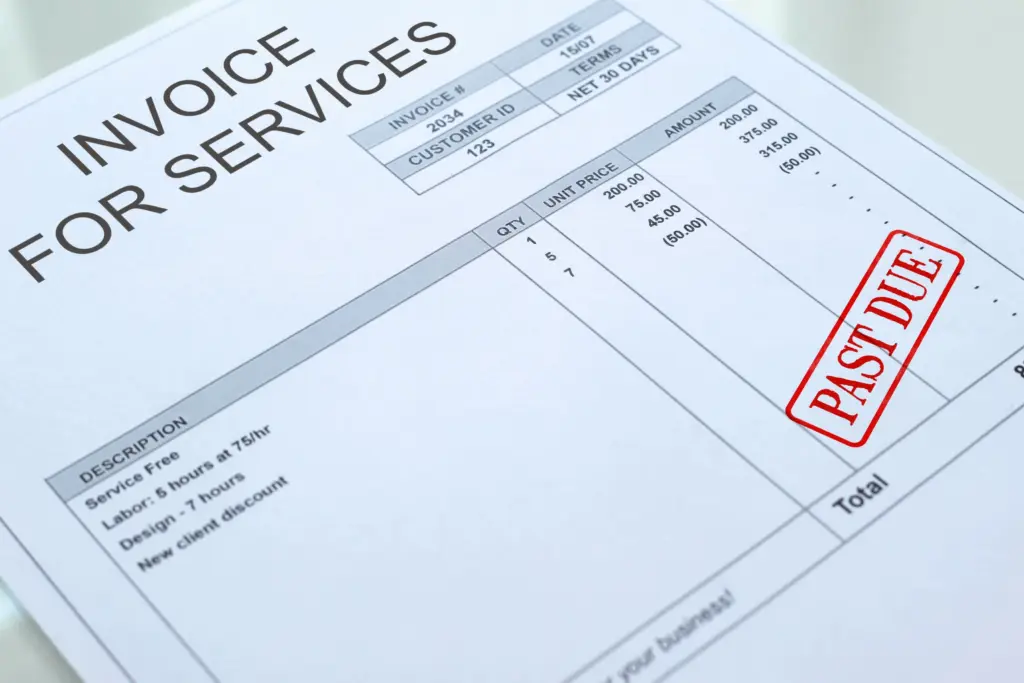
Unpaid invoices can create significant challenges for B2B companies, affecting cash flow, business operations, and financial stability. While some delays result from administrative errors or communication gaps, others require more direct action to resolve. Knowing how to respond can help you recover outstanding balances while protecting your business interests.
From sending formal demand letters and negotiating payment plans to pursuing litigation and enforcing court judgments, several legal options are available to help businesses collect unpaid invoices. Understanding these approaches can help you determine the best course of action for your situation.
In this blog, we’ll explore how B2B companies can recover unpaid invoices, navigate legal debt recovery options, and take steps to prevent future payment problems.
Why B2B Invoices Go Unpaid and What Businesses Can Do About It
There are a variety of reasons why B2B invoices go unpaid or get delayed. In some cases it is due to communication gaps, poor internal accounts receivable (AR) processes, and administrative friction. Very rarely is this lack of payment an act of good faith. However, regardless of why it is going unpaid, you need to know your recourse options.
If you’re dealing with unpaid invoices, you have three main options for recovery and prevention of future problems. The first step in preventing future invoice problems is fixing the invoice process upfront. Ensure invoices are accurate, payment terms are clearly outlined in contracts, and follow-up procedures are established for overdue payments.
Once you’ve addressed invoicing problems, ensure you have a proactive follow-up strategy in place. Start by setting up pre-due reminders to be sent a few days before the invoice is due. Then, send firm reminders if the invoice due date has passed. Finally, track early warning signs, such as broken payment promises or ghosted phone calls.
If you continue to experience unpaid invoice problems with clients, it may be time to reach out to a legal partner for expert support. They can send legal demand letters, help you make reports to the Business Credit Bureaus, and begin the collection process your client continues to attempt to evade invoice payment.
How to Recover Unpaid Invoices Through Formal Demand Letters
The first step in attempting to collect unpaid invoices is to send a formal demand letter. However, this should be done in a comprehensive manner, to ensure you’re protecting yourself and your business. If you want to send a formal demand letter to collect an unpaid invoice, ensure it includes the following information:
- Full, legal business names and addresses of your company and the debtor
- Copies of any original signed contracts, purchase orders, and past-due invoices
- Exact invoice numbers, issue date, original due date, and breakdown of the principal of the balance, accrued late fees, and interest
In addition to all of this information, it is essential that your demand letter sets a firm deadline for payment or formal response. The letter should also mention further consequences if the letter is ignored and unpaid invoices go ignored. Finally, this letter should be delivered via Certified Mail to ensure you’re creating an undeniable paper trail and delivery confirmation.
Negotiation and Payment Plans: Resolving Debt Without Litigation
Many B2B business owners want to do everything in their power to avoid litigation. Thankfully, there are a few options available to allow this option, and to save everyone time and money. The best way to go about this is by considering negotiating the debt with the debtors or allowing a payment plan to recover the debt.
If you are dealing with a minor debt, you may be able to negotiate the debt with your debtor without partnering with an experienced legal representative. However, if you’re dealing with a more substantial debt or you need to draft a legally binding release, it is essential that you partner with a lawyer throughout the negotiation process.
You may also establish a payment plan with your debtor. However, payment plans will also need to be established in a clear, formal, and easily understood manner. The payment plan should include strict milestones, payment methods, and clear consequences for missed installments. If you’re unsure where to begin, don’t hesitate to reach out to a legal partner.

Legal Options for Collecting Debt: Mediation, Arbitration, and Lawsuits
While collecting unpaid invoices without litigation is ideal, it isn’t always a possibility. In some cases, the only way to resolve unpaid debt is by partnering with an experienced business lawyer. When you partner with a legal team, you have a few options to begin debt resolution, including the following:
- Mediation: This process allows a third party mediator to help you and your debtor negotiate a mutually agreeable resolution to unpaid invoices.
- Arbitration: This more formal resolution method allows a neutral arbitrator to review evidence and make a formal ruling in regards to debt resolution.
- Lawsuits: If mediation and arbitration aren’t an option, litigation may be the best option for collecting the full debt.
Don’t attempt to go through this without legal representation. Navigating business disputes on your own can be incredibly stressful, and may leave you exposed to further problems. With the support of legal representation, you can trust that your unpaid invoices will be paid promptly.
Enforcing a Judgment: How to Recover Money After Winning a Debt Claim
Even after you’ve won a debt claim, you still need to find a way to enforce the judgement. After the case has concluded, the court clerk must officially issue the written judgement. This can take a few weeks, so it is best to be patient during this process. If you don’t have time to wait, you can file or record the judgement with the state or county recorder’s office.
After this has been done, you will need to request voluntary payment. Send a polite, formal demand letter. This letter should request payment in full or set up a payment plan. Many debtors are keen on getting this settled in an attempt to avoid it damaging their credit or losing assets, so this should go smoothly.
If they continue to avoid paying their invoices, you will have the legal right to use enforcement tools. Once locating their income or property, you can ask the court to enforce collection, whether through wage garnishment, bank levy, or property execution. With these tools and expert legal representation, you can trust that unpaid invoices will be addressed immediately.

Let WW Partners Help You Collect on Unpaid Invoices in Northern Utah
Attempting to collect unpaid invoices on your own can be a long, arduous process, and it may not yield the results you’re looking for. But, with the support of our experts at WW Partners, you can trust that you don’t have to go through this on your own. If you’ve been struggling to collect past due invoices, we’re committed to providing you with reliable legal support.
When you work with our team, you can trust that you’ll have the upper hand, and can begin collecting these invoices with less hassle. If you would like to speak to a member of our team about unpaid invoices from another business or have any other business-related inquiries, please reach out to our team to schedule a consultation.